What Are Probiotics?
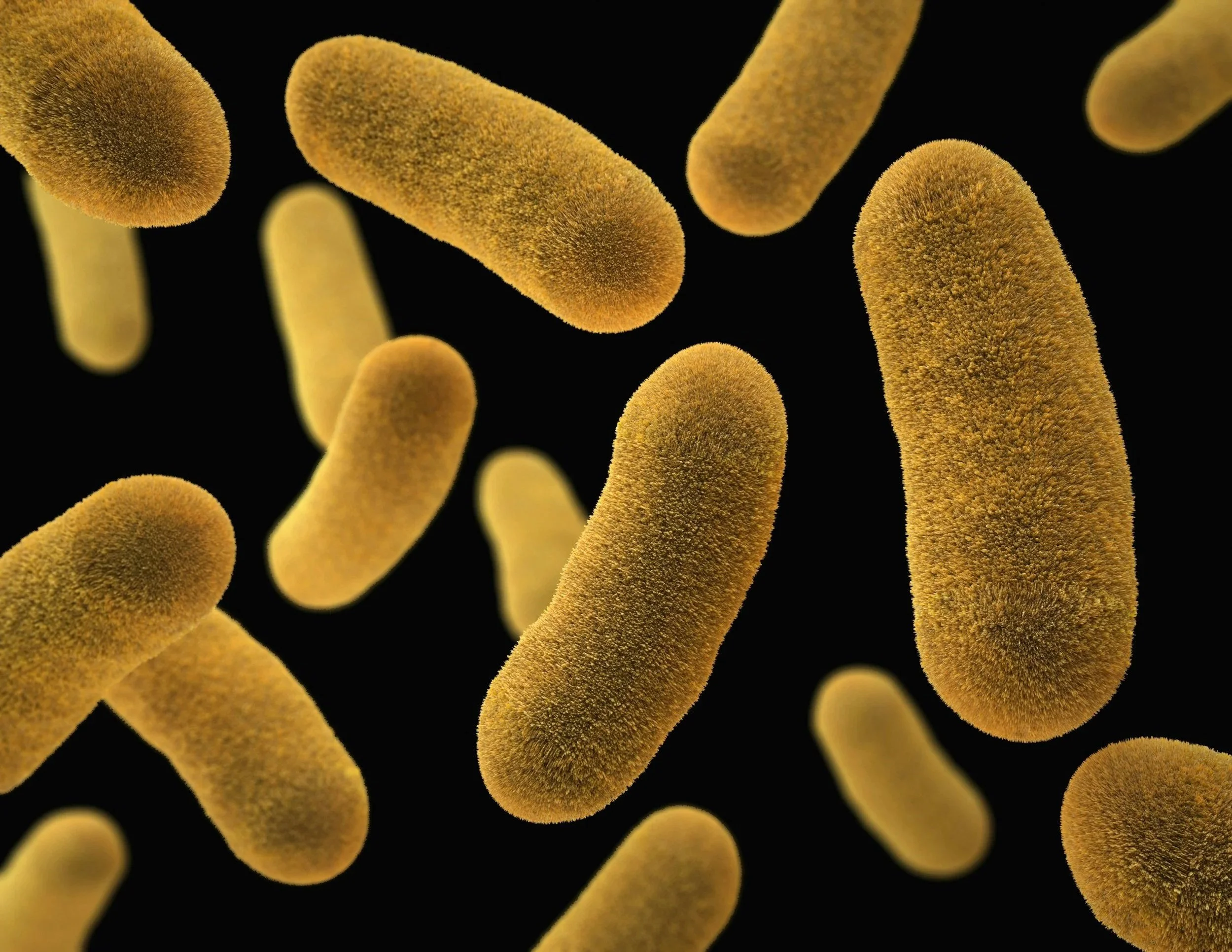
Imagine your gut is a town hall.
If every seat is taken by good bacteria, there is no room for harmful bacteria. These good bacteria, known as probiotics, help build a more resilient microbiome by improving the function of natural antibodies and reducing risks posed by bad bacteria and viruses. They strengthen your immune system, improve digestion, and help keep harmful microbes in check.
Growing up, bacteria is usually presented as a threat to health and wellbeing. We are taught to avoid spreading or catching it by washing our hands, covering coughs, and disinfecting surfaces. In that constant battle against harmful bacteria, it’s easy to forget that bacteria can also be good. In fact, we are all teeming with bacteria…and we’re not that bad (most of the time).
How Probiotics Support Gut Health
Human bodies operate with trillions of microorganisms at the helm of basic functions. This community of microorganisms is called a microbiome, and it’s easily influenced by environmental factors, medications, and stress. Microbiomes are sensitive and when they are disrupted, we feel it – in our mood, metabolism, digestion, and immune system.
It all starts in your gut. Regular consumption of probiotics helps keep that town hall running smoothly, supporting optimal body functions. These benefits are tangible: better digestion, stronger immunity, reduced inflammation, increased energy, improved nutrient absorption, and so so so much more. Probiotics help the gut recover from illness, oxidative stress, and other internal imbalances.
Probiotics in Fermented Foods
Many fermented foods are packed with probiotics. Fermentation harnesses the potential of these microorganisms, cultivating an environment where good bacteria thrive. This process makes foods easier to digest and their nutrients easier to absorb.
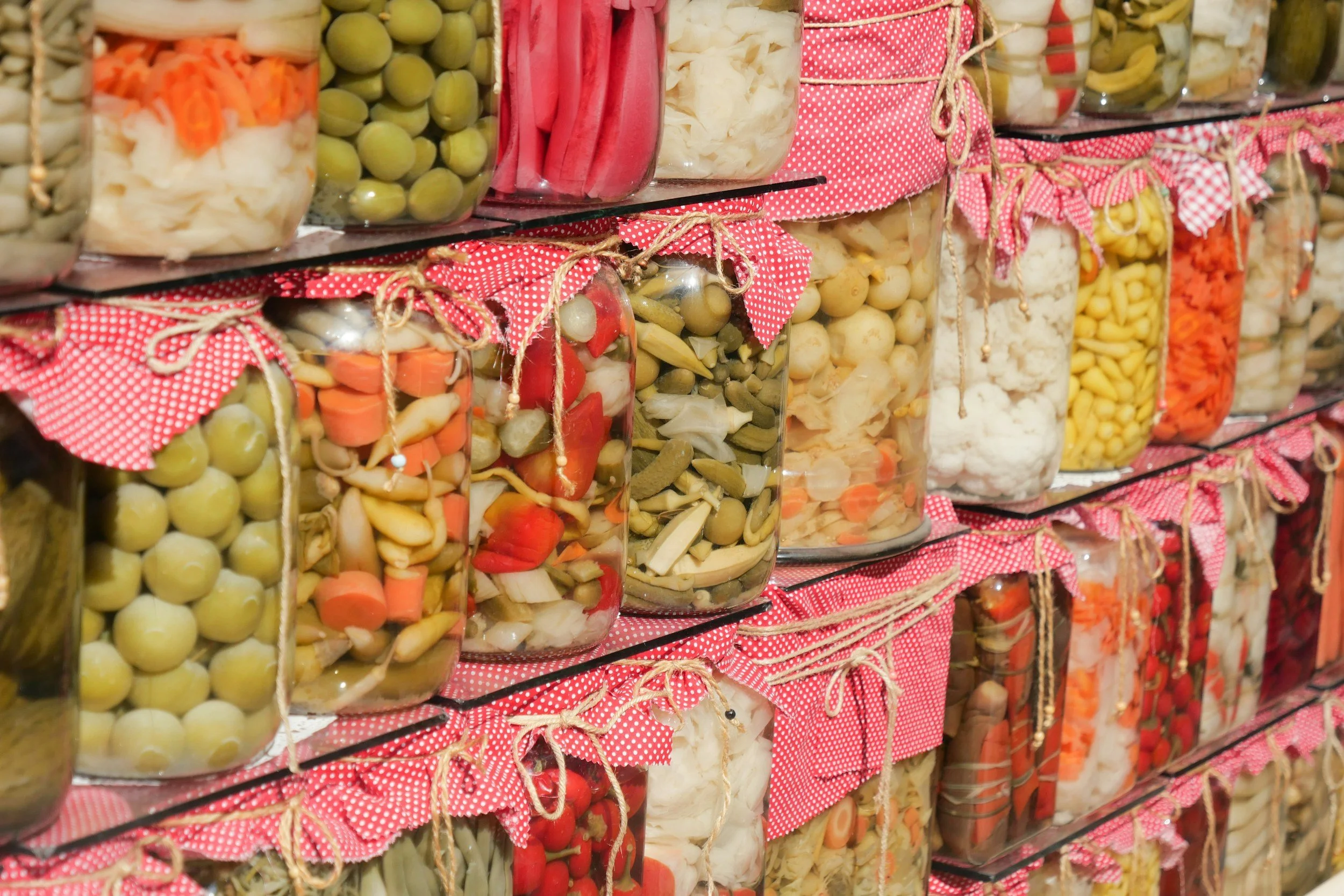
When vegetables are fermented, lactic acid bacteria multiply and preserve the food by creating a protective barrier against the microbes that cause spoilage. These bacteria also give fermented vegetables their signature tang. Known as ‘lacto-fermentation’, this preservation method has been a firm fixture of nearly every traditional food culture around the world. In many communities, eating nutrient-rich ferments year-round is credited with supporting immune health and resilience. From Poland to Japan, every culture has a culture.
Different Types of Probiotics
Not all probiotics are created equal–they serve different functions. For example, Lactobacillus species support the gut barrier and contribute indirectly to short-chain fatty acid production, which helps reinforce the intestinal lining and reduce inflammation. Certain Bifidobacterium strains produce antimicrobial compounds that help digestion and strengthen the immune system.
The Antibiotic Effect on Your Microbiome
Antibiotics, while lifesaving, can compromise probiotic function by clearing out good bacteria along with harmful ones. Overuse of antibiotics and antibacterial products can leave the microbiome depleted, making it essential to replenish with probiotics, especially after a dose of antibiotics.
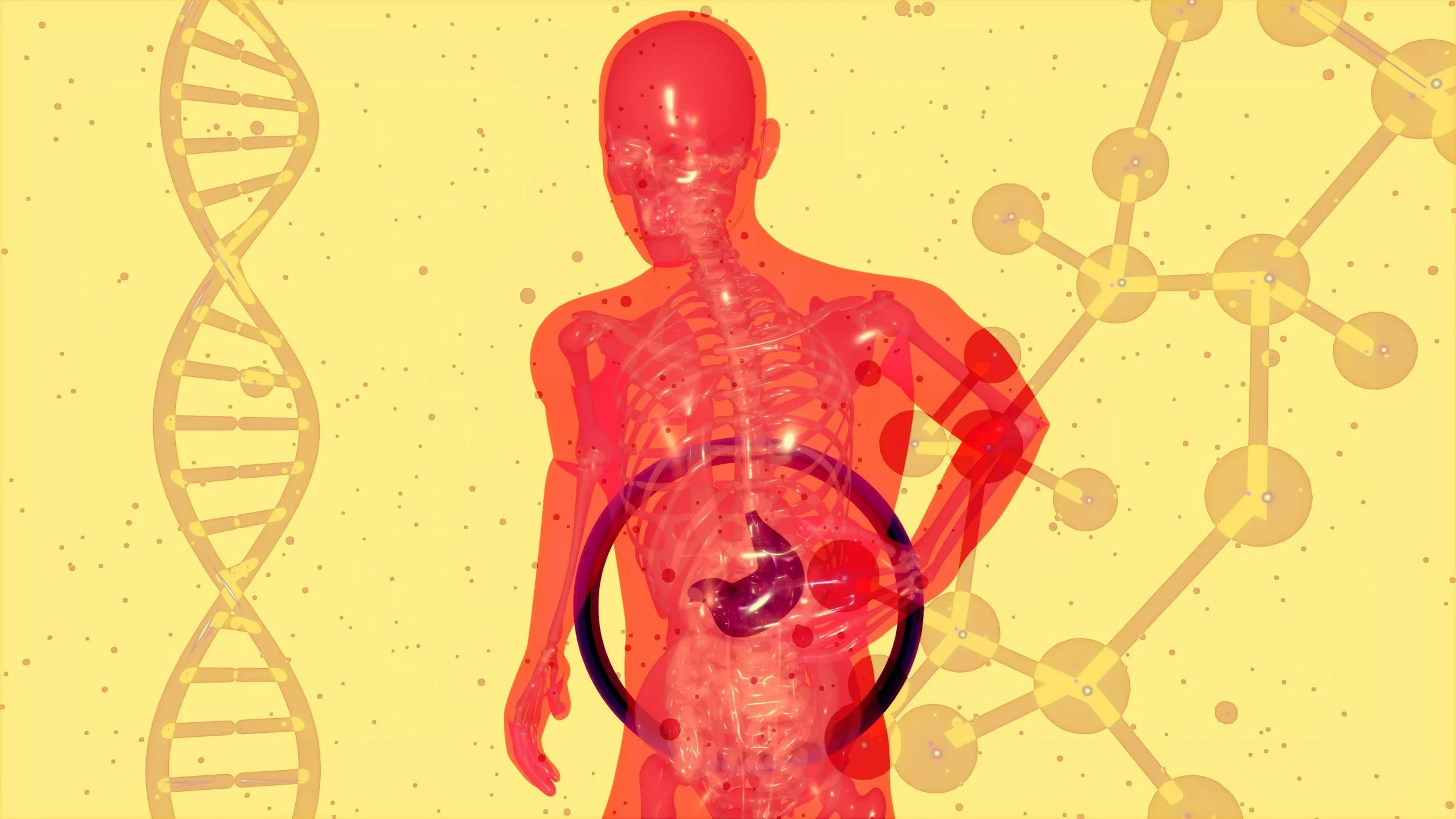
A 2023 analysis found that the average Californian harbors 277 microbial species in their gut, compared to about 730 species in the Hadza, one of the last hunter-gatherer populations. This finding reflects how modern, Westernized lifestyles and diets have significantly eroded the diversity of our gut microbiome.
The Best Way to Get Probiotics
Many health concerns that seem unrelated to the gut, such as skin conditions, yeast overgrowth, or oral and reproductive health issues, can be linked to an imbalance in gut bacteria. Probiotics from real foods offer a broader spectrum of microbial strains than most supplements, which often contain only a single species. By introducing this diversity through food, we encourage our own microbiomes to repopulate with healthy bacteria, giving the system a kind of reboot and boosting biodiversity.
The word “probiotic” comes from the Latin pro (“for”) and the Greek biotic (“life”), a fitting definition for these living microorganisms that nurture our internal ecosystems. By incorporating naturally fermented foods into your daily routine, you’re feeding a diverse community within your gut that works around the clock to keep you balanced, resilient, and thriving.
Ready to add more probiotics to your day? Explore our fermented foods packed with living cultures, or check out our recipe ideas for easy ways to enjoy them.